How Rodents Contaminate Food Storage Areas and Pantries
Local contractors can help prevent rodents from contaminating food storage areas and pantries by effectively removing pests and securing spaces against future infestations.
Understanding how rodents contaminate food storage areas and pantries is essential for property owners seeking to protect their food supplies and maintain a safe environment. Rodents can access even well-organized storage spaces, leaving behind droppings, urine, and fur that can spread bacteria and other pathogens. This contamination not only compromises food quality but also poses health risks to anyone in the household or business. Recognizing the signs of rodent activity and knowing how they can infiltrate storage areas encourages property owners to explore effective removal solutions offered by local contractors experienced in rodent control.
For those concerned about safeguarding their food storage spaces, connecting with experienced service providers can make a significant difference. Local contractors understand common entry points and behaviors of rodents, enabling them to implement targeted removal strategies and help prevent future infestations. By addressing the root causes of contamination, property owners can maintain cleaner, safer pantries and storage areas, ensuring that their food remains uncontaminated and secure. Keep reading to learn more about how professional rodent removal services can support a healthier, pest-free environment.
- Rodent Exclusion - when food storage areas show signs of rodent entry, local contractors can seal gaps and prevent contamination.
- Infestation Cleanup - after discovering rodent activity in pantries, service providers remove droppings and nesting materials to reduce health risks.
- Food Storage Sanitization - if rodents have contaminated stored food, local pros can disinfect shelves and surfaces to ensure safety.
- Structural Repairs - in cases where rodents have caused damage to storage areas, experts can restore and reinforce affected structures.
- - for ongoing protection, local contractors offer advice on best practices to keep food storage areas rodent-free.
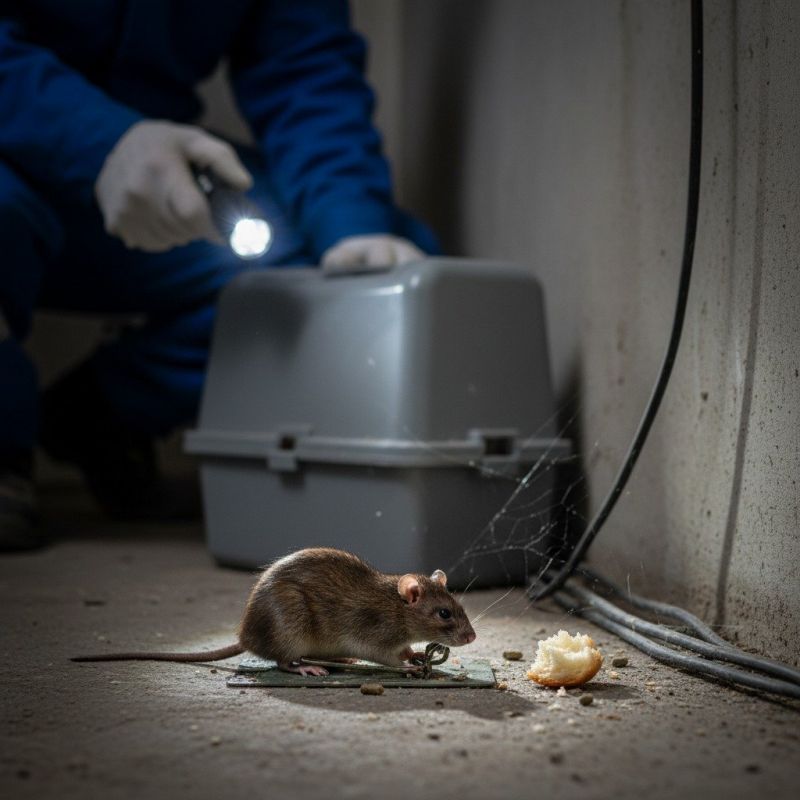
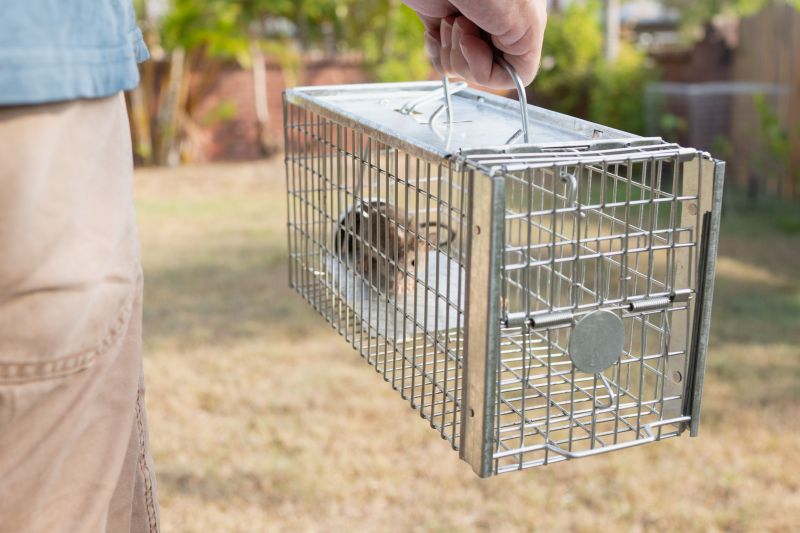
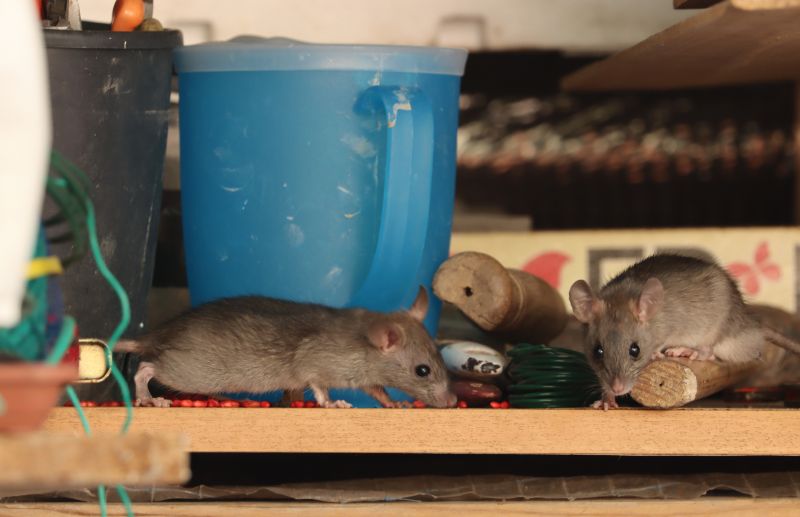
When people search for how rodents contaminate food storage areas and pantries, they are often concerned about the health risks and property damage associated with rodent infestations. These searches typically stem from noticing signs of rodents, such as droppings, gnaw marks, or unusual odors, in areas where food is stored or prepared. Homeowners want to understand how these pests can compromise food safety and what steps are necessary to prevent contamination. The focus is usually on identifying the ways rodents access food supplies, the types of contamination they cause, and effective methods to eliminate the problem before it spreads further.
The problems related to rodent contamination include the spread of bacteria, viruses, and parasites that can lead to foodborne illnesses. Rodents often carry pathogens on their bodies and in their droppings, which can easily transfer to food packages or surfaces in storage areas. Additionally, their urine and feces can contaminate food items directly, making them unsafe to consume. Many property owners are also concerned about the structural damage rodents cause by gnawing on packaging, shelves, or wiring, which can create additional hazards or lead to costly repairs. Planning for rodent control often involves a combination of sanitation, exclusion, and removal strategies to maintain a safe, pest-free environment.
Properties most commonly affected by rodent contamination include homes, especially kitchens and pantries, as well as commercial food storage facilities like warehouses, grocery stores, and restaurants. Residential properties with cluttered or poorly sealed food storage areas are particularly vulnerable, as they provide easy access and hiding spots for rodents. Commercial properties face stricter regulations and require ongoing pest management to prevent contamination that could impact public health and business operations. In both cases, the presence of rodents can compromise food safety, making it essential to work with experienced service providers who specialize in rodent removal and prevention.
Understanding how rodents contaminate food storage areas and pantries highlights the importance of prompt, professional intervention. Local contractors who specialize in rodent removal can assess the property, identify entry points, and implement targeted solutions to eliminate pests and prevent future infestations. They can also advise on best practices for food storage and sanitation to reduce attractants. For homeowners and business owners alike, partnering with experienced service providers ensures that contamination risks are minimized, protecting both health and property. Proper pest management plays a critical role in maintaining a safe, rodent-free environment for food storage.
Pest proofing services involve sealing entry points and securing food storage areas, which are essential steps in preventing rodent contamination in pantries.
Food storage facility cleaning projects focus on thorough sanitation and pest prevention measures, helping to reduce rodent attractants in food areas.
Structural repair and sealing work addresses gaps and cracks that rodents may use to access food storage spaces, minimizing contamination risks.
Wildlife exclusion services help prevent rodents from entering buildings, reducing the chance of contamination in food storage and pantry areas.
Rodent proofing and exclusion projects involve installing barriers and traps that protect food storage zones from rodent intrusion and contamination.
Warehouse and storage area sanitation services include pest prevention strategies that help maintain food safety by limiting rodent access and contamination.
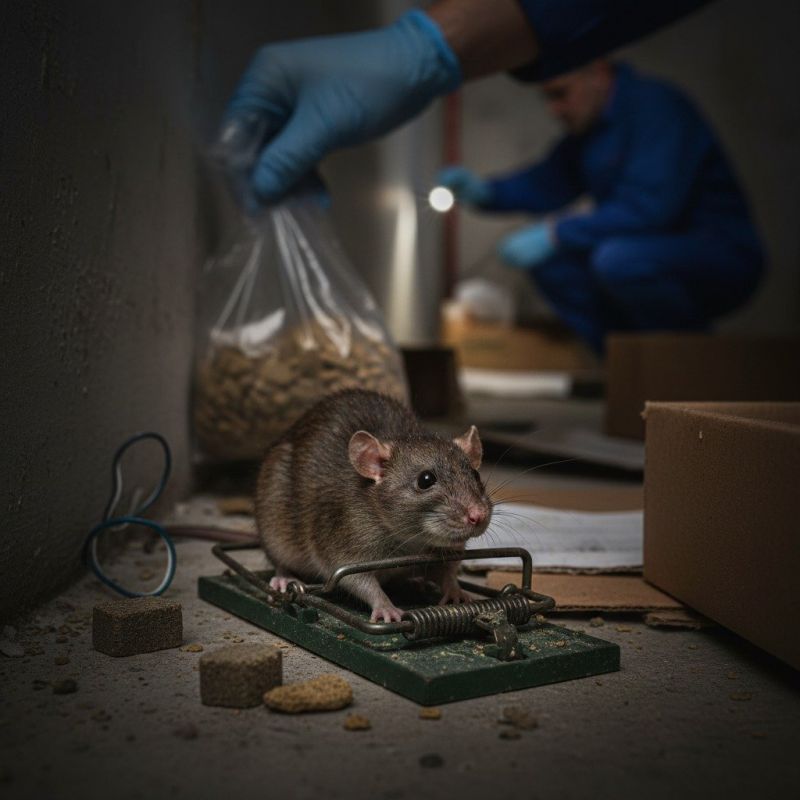
When evaluating service providers for rodent removal, it is important to consider their experience with similar projects, particularly those involving food storage areas and pantries. A contractor who has handled cases of rodent contamination in food-related spaces will be more familiar with the unique challenges and effective strategies for ensuring a thorough clean-up and prevention. Asking about their past work in environments similar to your home can provide insight into their familiarity with common issues and their ability to address the specific risks associated with rodent contamination of food storage areas.
Clear written expectations are essential when choosing a contractor for rodent removal services. A reputable service provider should be able to outline the scope of work, including inspection procedures, containment measures, sanitation processes, and any necessary repairs or sealing of entry points. Having these details documented helps ensure everyone is aligned on the process and reduces misunderstandings. It also provides a basis for evaluating the completeness of the service and assessing whether the approach addresses the contamination risks effectively.
Reputable references and strong communication are key factors to consider when comparing local contractors. Service providers who can offer references from previous clients with similar needs demonstrate a track record of successful work. Good communication throughout the process-such as responsiveness to questions and clarity about procedures-can make the experience smoother and more transparent. These qualities help ensure that the homeowner remains informed and confident that the contractor understands the importance of properly managing how rodents contaminate food storage areas and pantries, ultimately supporting a healthier, pest-free environment.
Property owners often search for how rodents contaminate food storage areas and pantries when they are planning practical projects around their homes and businesses. Local pros provide Rodent Removal services for everyday jobs and straightforward project options.
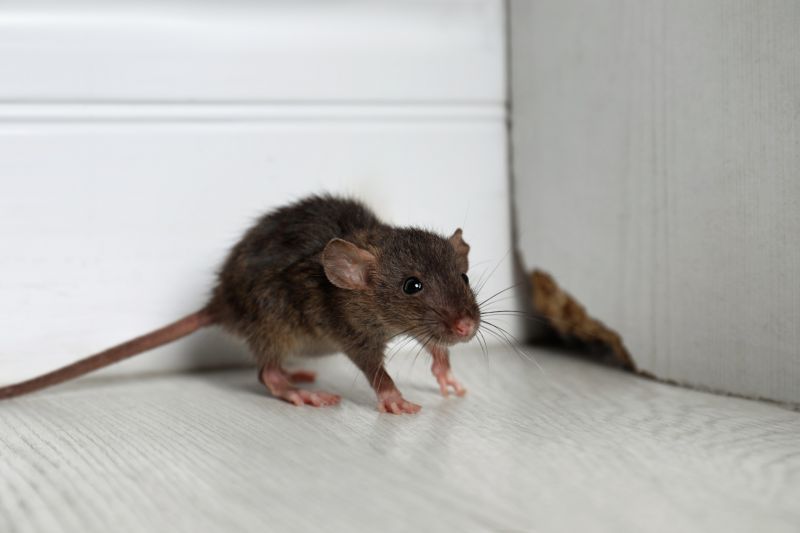
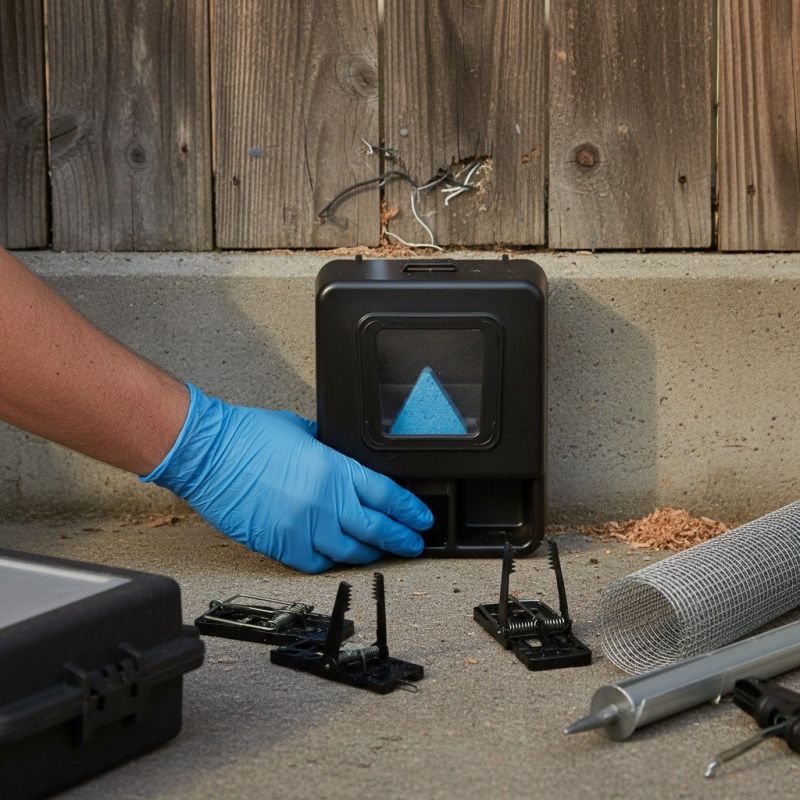
Rodents can cause significant issues in food storage areas and pantries by contaminating stored items with their droppings, urine, and hair. These pests are known to chew through packaging, creating entry points that allow them to access dry goods, grains, and other pantry staples. The presence of rodents not only leads to spoiled food but also raises concerns about health risks associated with contamination. Property owners in the area often seek out rodent removal services to address these problems promptly and prevent further damage to their food supplies.
In many cases, the signs of rodent activity-such as gnaw marks, droppings, or a musty odor-prompt property owners to look for professional help. Local contractors specializing in rodent removal can assess the extent of the infestation and implement targeted strategies to eliminate these pests. Engaging experienced service providers ensures that food storage areas are thoroughly treated and protected from future rodent incursions, helping maintain a safe and clean pantry environment.
How do rodents contaminate food storage areas and pantries? Rodents can spread bacteria, viruses, and parasites through droppings, urine, and fur, contaminating stored food and surfaces within pantries.
What signs indicate rodents may have contaminated my food storage areas? Signs include droppings, gnaw marks, nests, a strong odor, and food packaging that has been chewed or disturbed.
How can local rodent removal services help prevent contamination in food storage areas? They identify entry points, set traps or bait stations, and implement exclusion methods to stop rodents from accessing pantry spaces and contaminating food.
Why is it important to address rodent contamination in food storage areas promptly? Prompt action helps prevent the spread of disease, further contamination, and potential damage to stored food supplies.
What measures do local pros take to ensure rodents do not contaminate food storage spaces again? They seal entry points, remove attractants, and establish ongoing monitoring to maintain a rodent-free environment and protect food storage areas.
Identify entry points - property owners can work with local contractors to locate and seal gaps that rodents use to access food storage areas.
Implement proper storage practices - storing food in airtight containers can reduce contamination risks, with local pros providing guidance on effective methods.
Maintain cleanliness - regular cleaning of pantries and storage areas helps prevent rodent attractants, supported by professional cleaning advice from local service providers.
Set traps and barriers - installing traps and physical barriers can help control rodent activity, with local contractors offering safe and effective solutions.
If you are thinking about how rodents contaminate food storage areas and pantries for a property, this guide is meant to help you understand this topic, the typical project types, and how different options might fit your plans.
When you are ready, you can use the quote form on this page to share a few details about your project. From there, local pros can review the basics and follow up with options that match what you have in mind.