Common Entry Points Rodents Use to Access Properties
To prevent rodent infestations, local contractors can identify and seal common entry points rodents use to access properties effectively.
Understanding the common entry points rodents use to access properties is a crucial step for property owners looking to prevent infestations. These pests often find their way inside through small openings, gaps, or cracks around foundations, doors, windows, and utility lines. Recognizing these vulnerabilities can help homeowners and business owners take practical steps to secure their spaces and reduce the risk of rodent intrusion. Exploring this topic is especially relevant for those in the local area who want to protect their properties from potential damage and health concerns associated with rodent activity.
Local contractors specializing in rodent pest control are well-equipped to identify and address these entry points effectively. They can conduct thorough inspections to locate hidden access points and recommend targeted solutions to seal off these pathways. Engaging with experienced service providers ensures that properties are better protected against future rodent issues, supporting ongoing pest management efforts. Keep reading to learn more about how addressing entry points can make a significant difference in maintaining a rodent-free property.
- Homeowners noticing rodent activity may need inspections to identify and seal common entry points rodents use to access properties, with local contractors providing targeted sealing solutions. - When rodents are found inside a building, local service providers can evaluate potential entry points and recommend effective methods to block these access routes. - During property renovations or repairs, local pros can help identify and close off common entry points rodents use to access structures, preventing future infestations. - In cases of persistent rodent problems, local contractors often conduct comprehensive assessments to locate and seal entry points that rodents commonly exploit. - Property owners seeking long-term rodent prevention may work with local service providers to identify and eliminate common entry points rodents use to access homes or businesses.
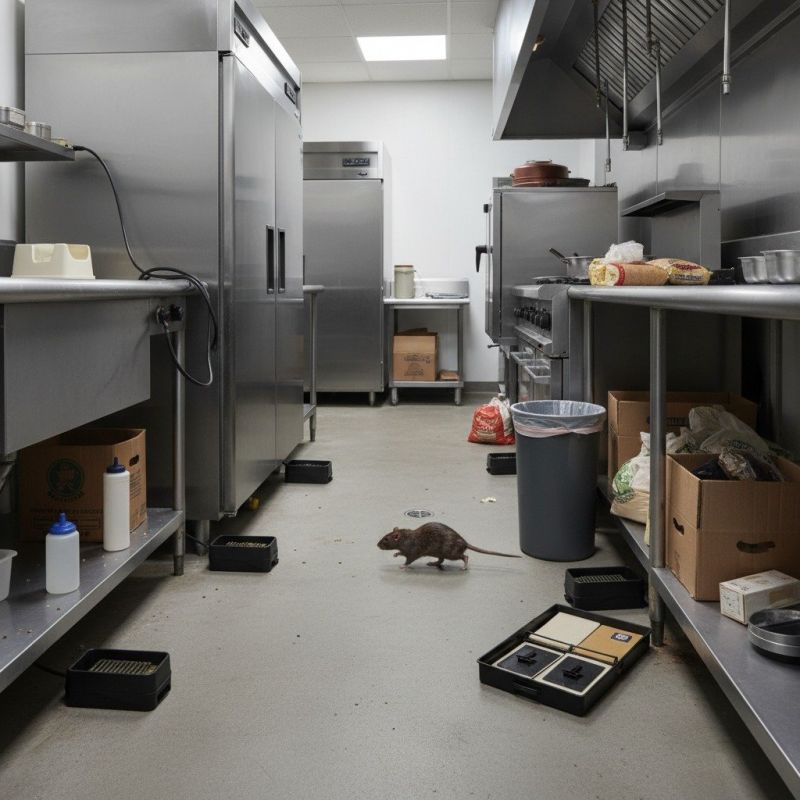

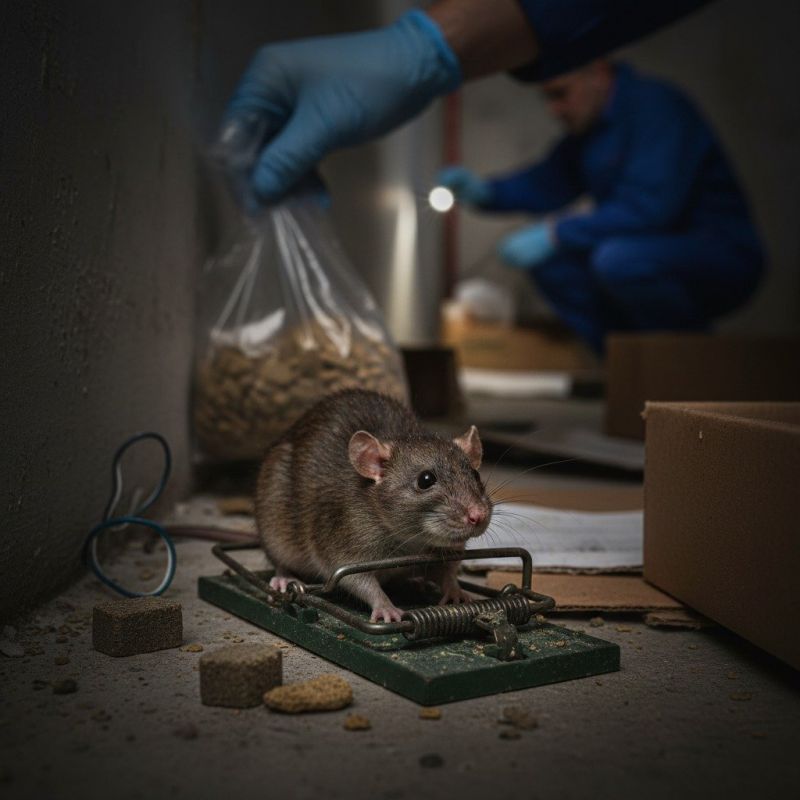
Understanding the common entry points rodents use to access properties is a key step in preventing infestations. When homeowners search for this topic, they often want to identify how rodents, such as rats and mice, are able to get inside their homes or buildings. These pests are skilled at finding small openings and weaknesses in a property’s structure, which allows them to move from outdoor environments into indoor spaces. Recognizing these entry points helps property owners develop effective strategies for sealing vulnerabilities and reducing the risk of rodent problems before they become severe.
This topic relates closely to issues like ongoing pest control efforts, property maintenance, and long-term prevention plans. Many property owners experience frustrations with recurring rodent sightings despite previous attempts at exclusion. Whether the goal is to protect food storage areas, prevent damage to wiring and insulation, or simply keep living spaces comfortable, understanding how rodents gain entry is essential. Local service providers specializing in rodent pest control can assess properties for these entry points, provide advice on sealing them, and implement exclusion measures to block rodents from re-entering.
The types of properties most commonly affected by entry points include residential homes, commercial buildings, warehouses, and even sheds or garages. Homes with gaps around doors, windows, vents, or utility lines are especially vulnerable. Commercial properties that have less frequent maintenance or aging infrastructure may also have numerous openings that rodents can exploit. In all cases, identifying these access points involves inspecting the exterior and interior of the property for small holes, cracks, or openings that are often overlooked but serve as critical pathways for rodents seeking shelter and food.
Local contractors who specialize in rodent exclusion and pest control play a vital role in addressing these entry points. They can perform thorough inspections to locate potential vulnerabilities, then recommend or carry out sealing and exclusion measures tailored to each property’s specific needs. By working with experienced professionals, property owners can reduce the likelihood of future infestations, protect their property investments, and maintain a cleaner, safer environment. Properly addressing the common entry points rodents use to access properties is a fundamental part of effective pest management and long-term prevention strategies.
Home Inspection Projects - home inspectors assess properties for entry points rodents may use, which is essential for effective pest control planning handled by local contractors.
Building Restoration Projects - restoration specialists identify and seal entry vulnerabilities during repairs, requiring skills similar to those used in rodent-proofing efforts.
Gutter and Roof Repair Projects - fixing roof and gutter systems involves identifying gaps and openings that rodents can exploit to access buildings, a task often performed by local service providers.
Attic and Basement Sealing Projects - sealing attic and basement entry points prevents rodent access, involving planning and execution skills common to pest exclusion services.
Exterior Wall Repair Projects - repairing or replacing damaged siding and walls helps eliminate common entry points, requiring tools and techniques similar to pest-proofing work.
Drainage and Foundation Projects - addressing foundation cracks and drainage issues can prevent rodents from entering through these pathways, a focus area for local contractors specializing in property protection.

When evaluating service providers for rodent pest control, it is important to consider their experience with similar projects, particularly those involving identifying and sealing common entry points rodents use to access properties. A contractor with a history of successfully handling properties comparable in size and type can offer insights into effective strategies for access point prevention. Clear communication about their approach and expectations is essential, ensuring that homeowners understand the scope of work, such as inspecting potential entry sites and implementing targeted exclusion measures.
Reputable local contractors should be able to provide references or examples of past work related to rodent exclusion and control. These references can help gauge the quality of their work and their ability to address issues specific to entry points, such as gaps around doors, vents, or utility lines. Additionally, good communication skills are vital; service providers who are transparent about their process and responsive to questions can help homeowners feel confident in the steps taken to prevent rodents from re-entering.
Finally, comparing local pros involves assessing their professionalism and clarity in setting expectations. Homeowners should seek service providers who provide detailed explanations of what the job entails, including inspection procedures, sealing techniques, and follow-up recommendations. A contractor who clearly outlines the scope and limitations of their work, and who maintains open lines of communication, can help ensure that the project meets the homeowner’s needs and reduces the likelihood of future rodent entry through common access points.
Property owners often search for common entry points rodents use to access properties when they are planning practical projects around their homes and businesses. Local pros provide Rodent Pest Control services for everyday jobs and straightforward project options.
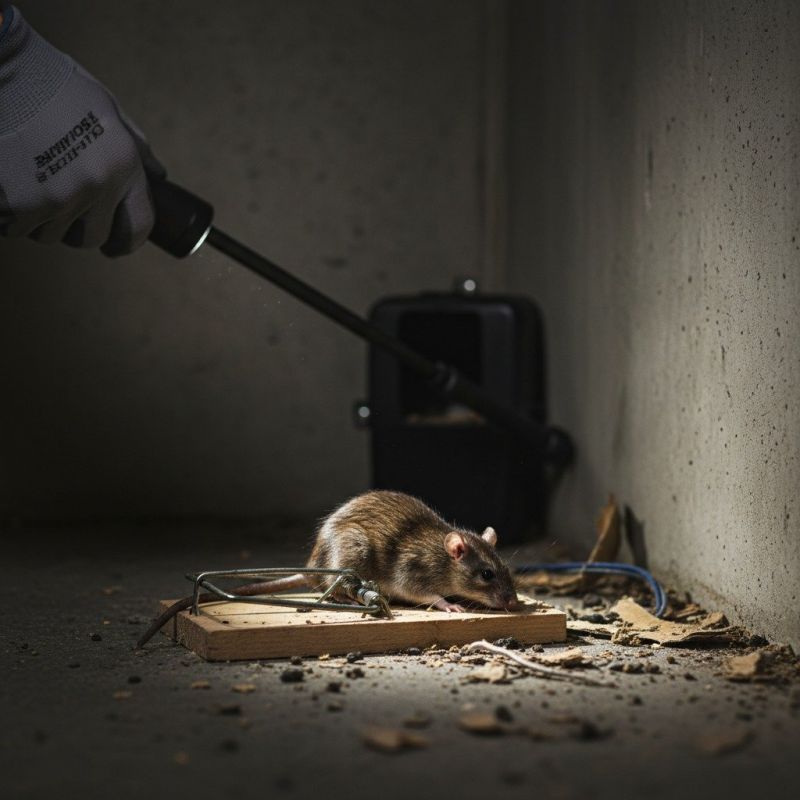
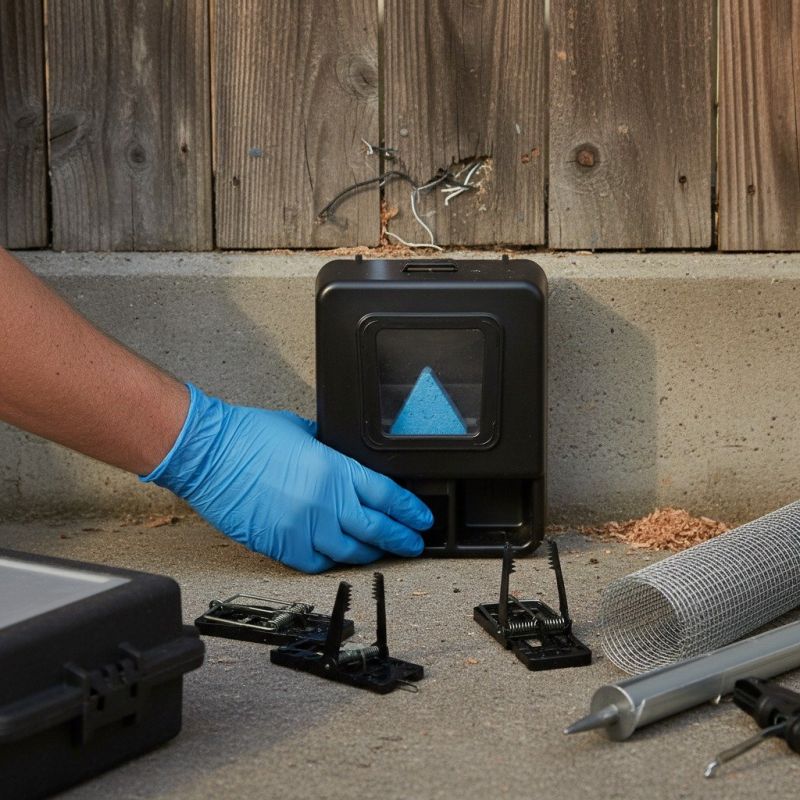
Understanding the common entry points rodents use to access properties can help homeowners identify vulnerabilities before an infestation occurs. Small gaps around doors, windows, and vents are often overlooked but serve as easy pathways for rodents seeking shelter and food. Additionally, openings around utility lines, damaged siding, or gaps in the foundation provide convenient access points. Property owners in the area might look into rodent pest control services to assess these potential entry sites and implement effective sealing or exclusion measures to prevent rodents from gaining entry.
For many local residents, recognizing how rodents can enter their homes highlights the importance of professional assistance in pest prevention. Skilled service providers can thoroughly inspect a property for common entry points and recommend targeted solutions to block access. Whether it involves sealing cracks, installing barriers, or addressing structural vulnerabilities, these experts help ensure that rodents are kept out and the property remains protected. Connecting with experienced local contractors can be a practical step in maintaining a rodent-free environment.
What are common entry points rodents use to access properties? Rodents often enter buildings through small openings around doors, windows, vents, and foundation cracks, as well as gaps around utility lines and pipes.
How do rodents typically get inside attics or basements? They can access attics or basements through roof vents, broken soffits, damaged fascia, or gaps in basement walls and flooring.
Can trees or shrubs help rodents access a property? Yes, overhanging branches and dense vegetation can provide pathways for rodents to reach roofs or upper levels, especially if there are gaps or vulnerabilities.
What role do utility openings play in rodent entry? Openings around utility lines, pipes, and cable conduits often serve as entry points for rodents seeking shelter or food sources inside buildings.
How can local contractors help prevent rodent entry points? They can identify and seal common entry points, repair gaps and cracks, and install barriers to block rodents from gaining access to properties.
Inspect and Seal Entry Points - Property owners can identify and seal gaps around pipes, vents, and windows to prevent rodents from entering. Local contractors can assist with professional sealing to ensure all potential entry points are closed off effectively.
Install Barriers and Mesh - Using durable mesh or barriers around foundations and vents can block common entry points rodents use to access properties. Local service providers can recommend and install appropriate barriers for long-lasting protection.
Maintain Exterior Landscaping - Trimming trees and shrubs away from the building reduces access points and makes it harder for rodents to reach entry spots. Local pros can advise on landscaping practices that minimize rodent entry opportunities.
Perform Regular Property Inspections - Routine checks for cracks, holes, or damage around the property help catch entry points early. Local pest control experts can conduct thorough inspections and recommend repairs to keep rodents out.
If you are thinking about common entry points rodents use to access properties for a property, this guide is meant to help you understand this topic, the typical project types, and how different options might fit your plans.
When you are ready, you can use the quote form on this page to share a few details about your project. From there, local pros can review the basics and follow up with options that match what you have in mind.