Best Times for Rodent Infestations
Rodent infestations tend to be more prevalent during specific times of the year, influenced by environmental conditions and food availability. Typically, rodents are most active during the fall and winter months when outdoor food sources diminish, prompting them to seek shelter indoors. Additionally, early spring can see increased activity as rodents emerge from hibernation or nesting sites.
Rodent activity peaks during colder months when they seek warmth and shelter inside buildings. This period often sees increased sightings and infestations.
Availability of food sources impacts rodent populations. During harvest seasons or when food is stored improperly, infestations can rise.
Rodents breed year-round but have higher reproductive rates in spring and fall, leading to larger populations.
Humid and mild weather can support rodent activity year-round, but extreme cold or heat typically reduces their activity.
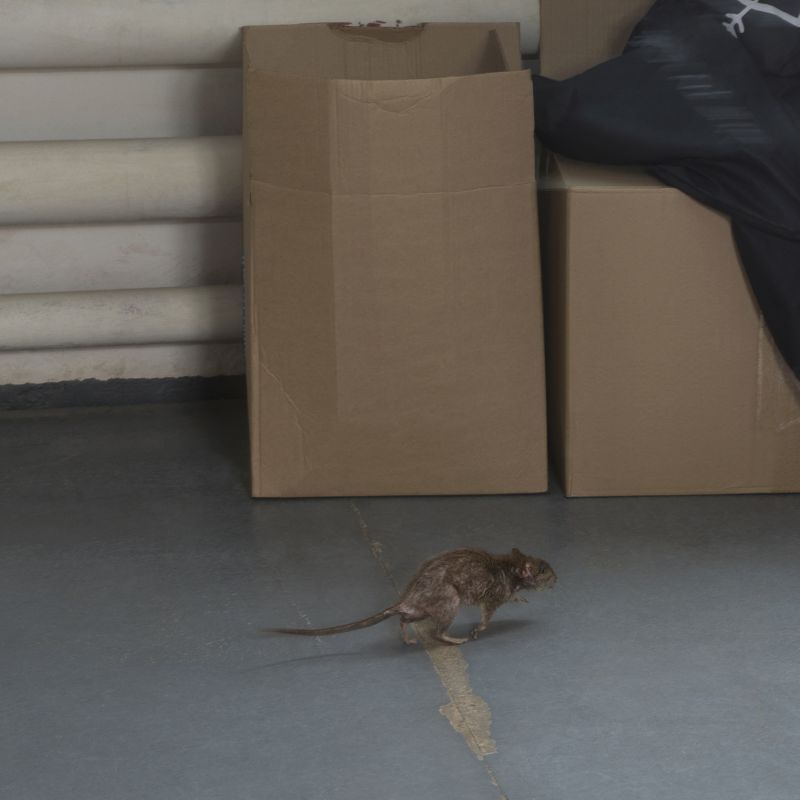
Gaps and cracks around buildings serve as entry points for rodents.
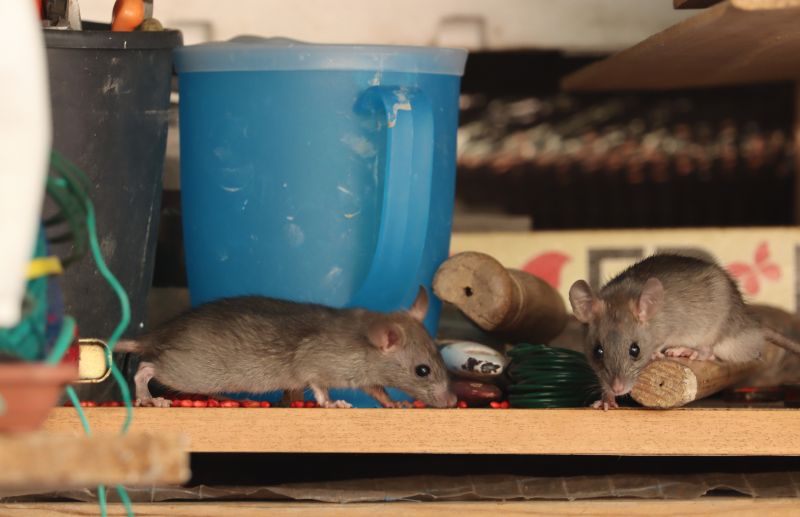
Droppings, gnaw marks, and nests indicate rodent presence.
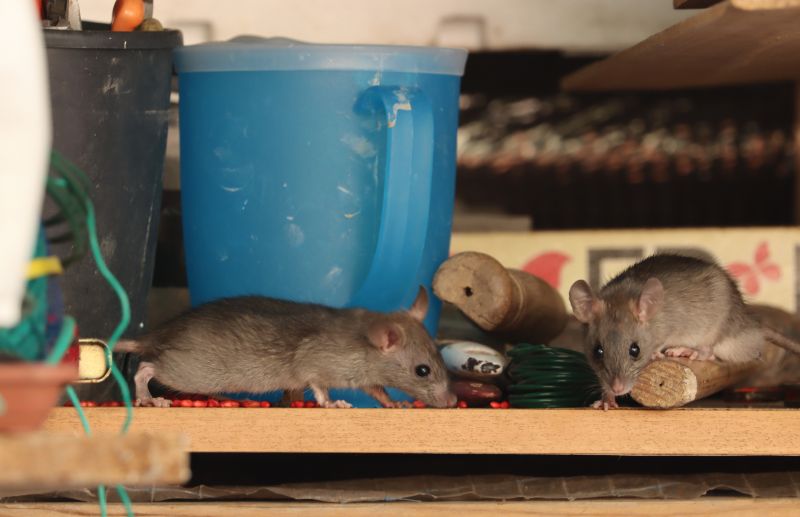
Rodents are nocturnal and tend to stay hidden during the day.
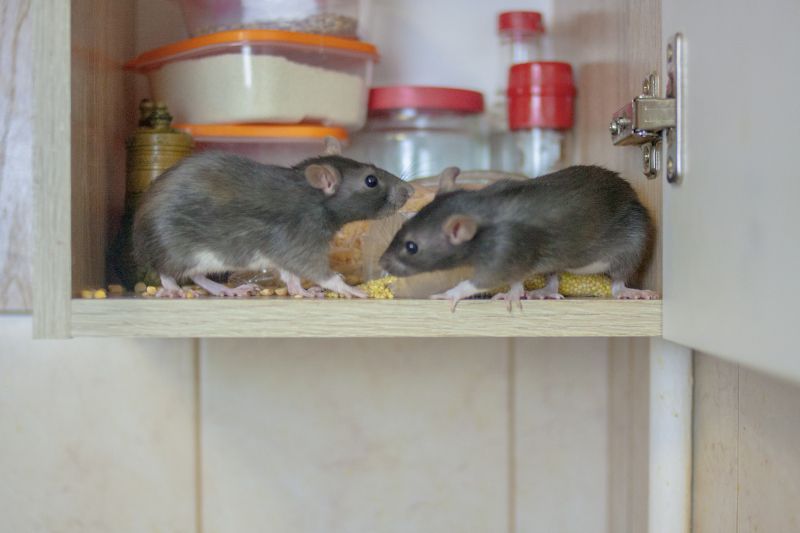
Ways to make Rodent Infestations work in tight or awkward layouts.

Popular materials for Rodent Infestations and why they hold up over time.
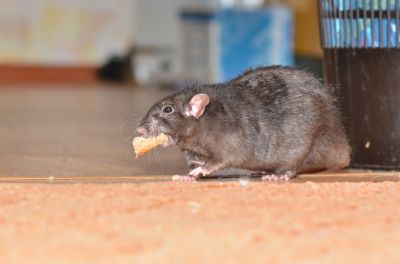
Simple add-ons that improve Rodent Infestations without blowing the budget.
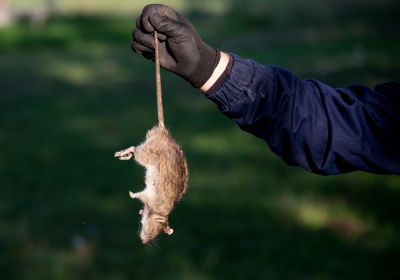
High-end options that actually feel worth it for Rodent Infestations.
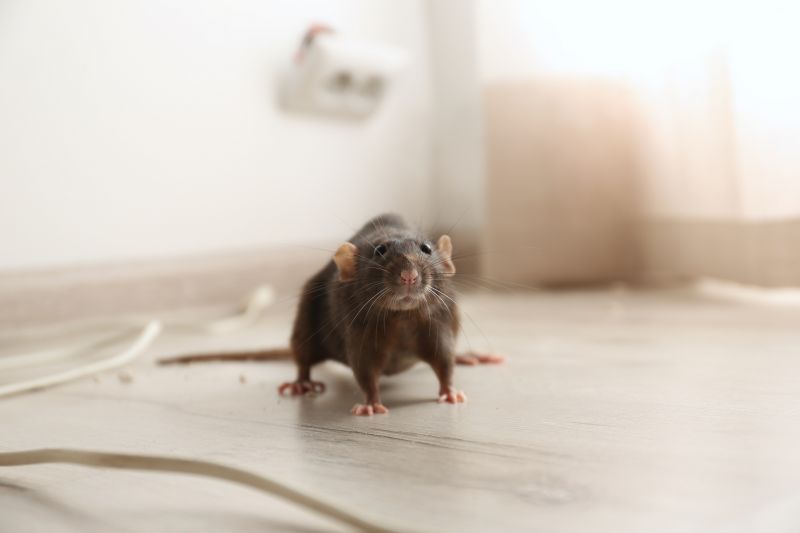
Finishes and colors that play nicely with Rodent Infestations.
| Season | Rodent Activity |
|---|---|
| Fall | Increased indoor activity as they seek warmth. |
| Winter | Peak activity due to cold weather. |
| Spring | Breeding season with rising populations. |
| Summer | Reduced activity but still present in shaded or humid areas. |
| Late Fall | Preparing for colder months, increased nesting. |
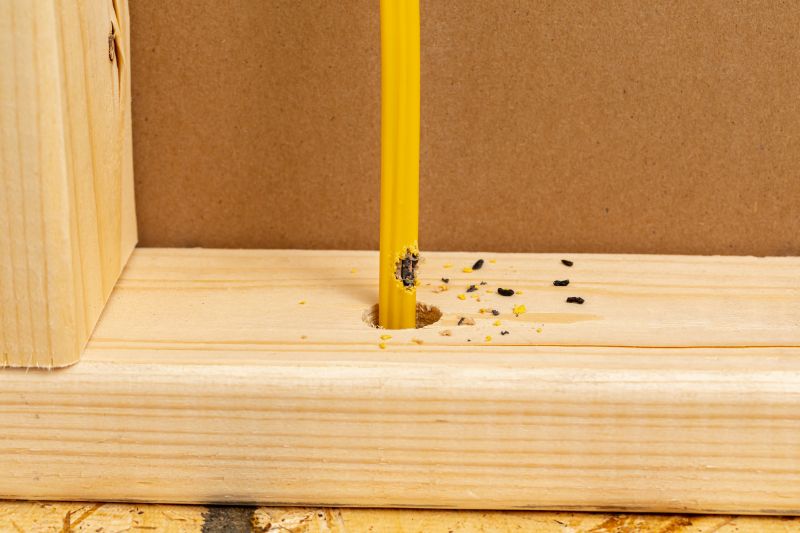
Chewed wires and insulation can cause property damage.
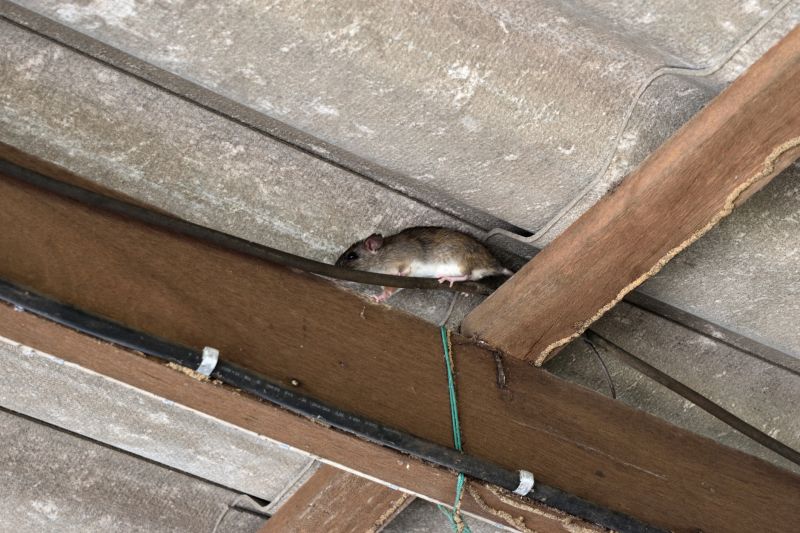
Rodents can transmit diseases through droppings and bites.
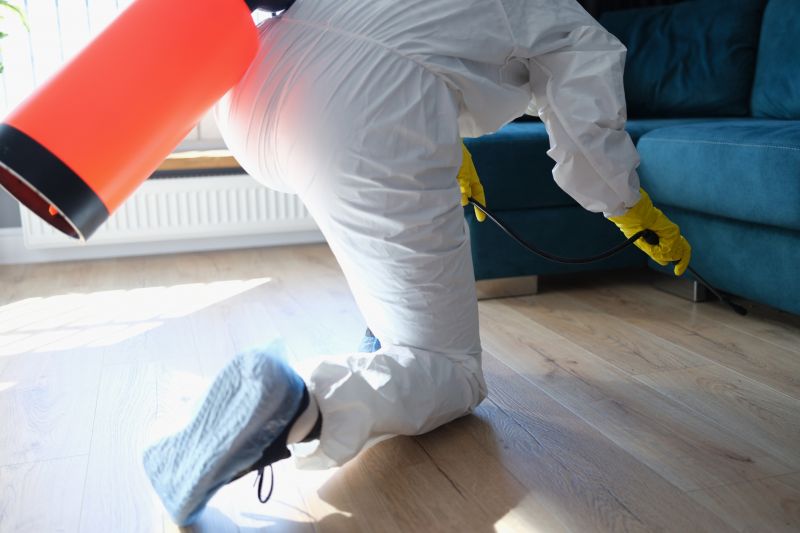
Sealing entry points and proper sanitation reduce infestations.

Early detection by pest professionals is essential for control.
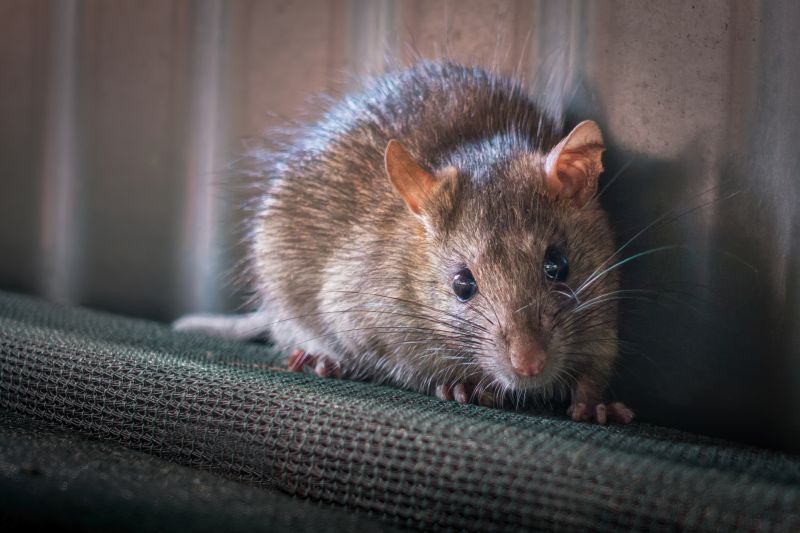
Little measurements that prevent headaches on Rodent Infestations day.
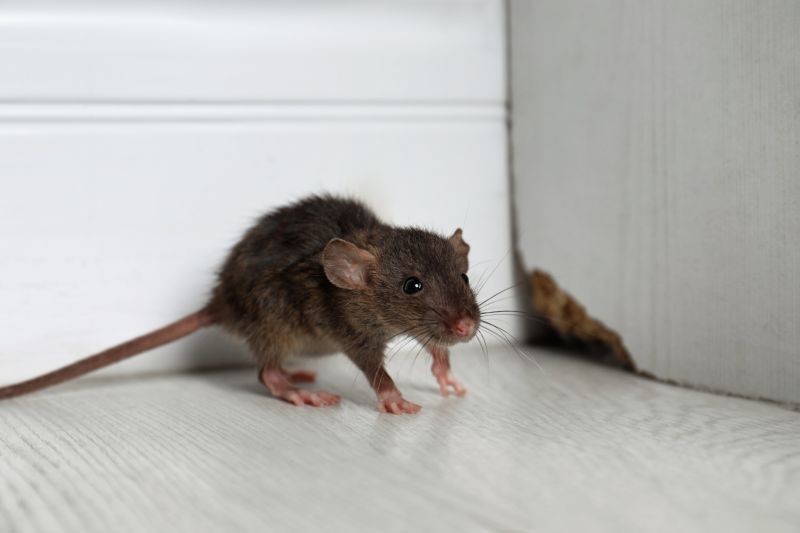
A 60-second routine that keeps Rodent Infestations looking new.
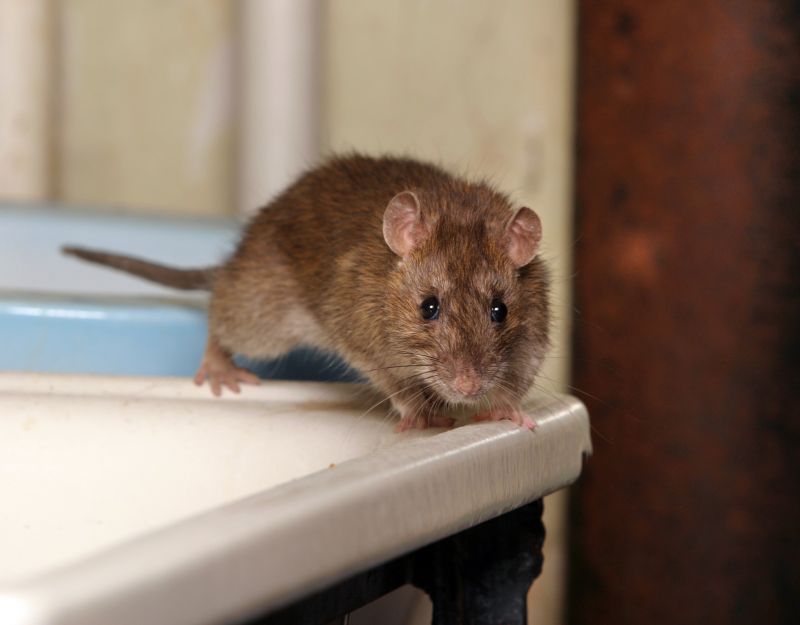
A frequent mistake in Rodent Infestations and how to dodge it.
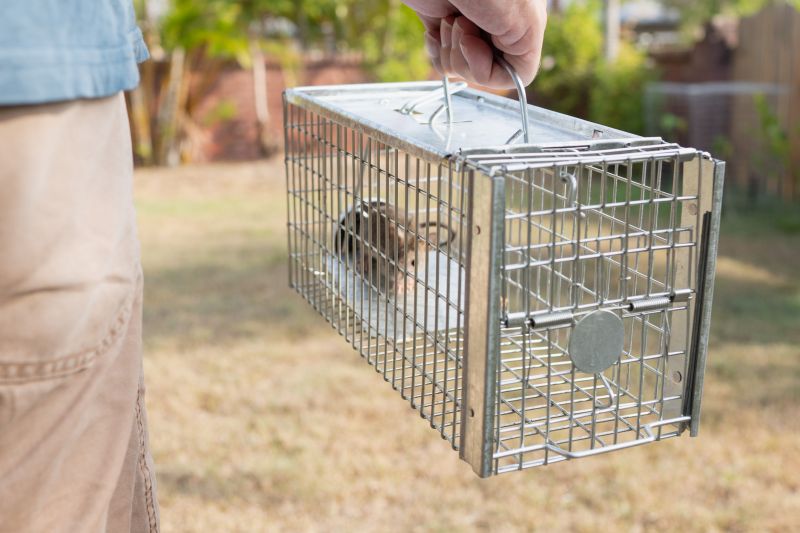
Small tweaks to make Rodent Infestations safer and easier to use.
Understanding the seasonal patterns of rodent activity can help in implementing timely prevention and control measures. Recognizing signs of infestation early can prevent property damage and health risks associated with rodents. Proper sanitation, sealing entry points, and professional inspections are key strategies to manage and prevent rodent problems effectively.
If there is interest in addressing rodent infestations, filling out the contact form can facilitate a consultation or inspection. Early action can reduce the impact of infestations and protect property and health.