How Rodents Compromise Insulation and Indoor Air Quality
To prevent rodents from damaging insulation and worsening indoor air quality, local contractors can assess and safely remove infestations, restoring a healthier home environment.
If you’ve been wondering how rodents compromise insulation and indoor air quality, you’re in the right place. Property owners in the area often find this issue especially relevant, as rodent activity can lead to hidden damage that affects comfort and health. Understanding how these pests interact with insulation can help you identify potential problems early and take steps to protect your home. Local contractors who specialize in rodent removal also offer services that address insulation contamination and air quality concerns, making it easier to restore a safe, comfortable environment.
Exploring this topic is practical for anyone looking to maintain a healthy indoor space and prevent costly repairs. Rodents can cause more than just nuisance-they may damage insulation, introduce allergens, and spread bacteria that compromise air quality. Fortunately, experienced service providers in the area can assess the extent of the problem, remove rodents effectively, and help restore your insulation’s integrity. Keep reading to learn how addressing rodent activity can improve your indoor environment and discover how trusted local experts can support these efforts.
- Rodent infestation cleanup - homeowners noticing rodent droppings or nests near insulation can rely on local contractors to safely remove rodents and contaminated materials.
- Insulation inspection and removal - when rodents have damaged or contaminated insulation, local service providers can evaluate the extent of damage and replace affected areas.
- Indoor air quality assessment - individuals experiencing musty odors or allergy symptoms may seek pros to identify how rodents have impacted indoor air quality through insulation contamination.
- Pest exclusion and sealing - after rodent removal, local contractors can seal entry points to prevent future infestations that could compromise insulation and air quality.
- Air duct cleaning and remediation - if rodents have contaminated ductwork, local service providers can clean and disinfect to restore indoor air safety and prevent further issues.
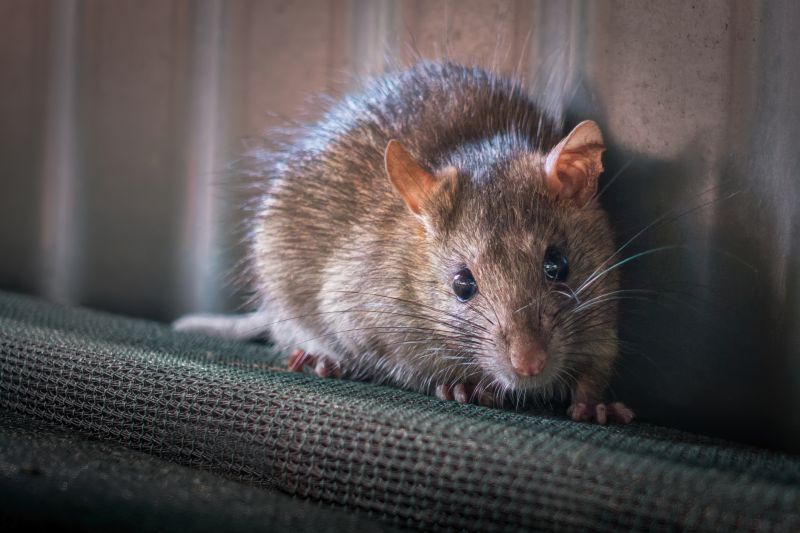
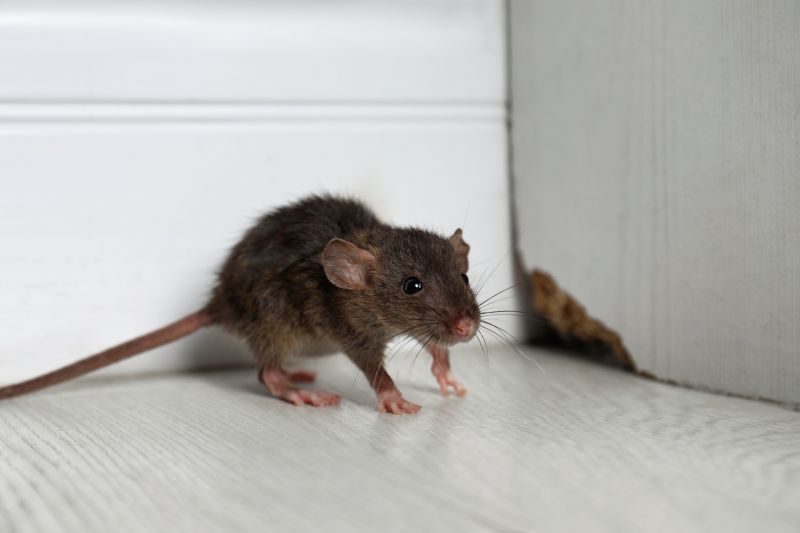
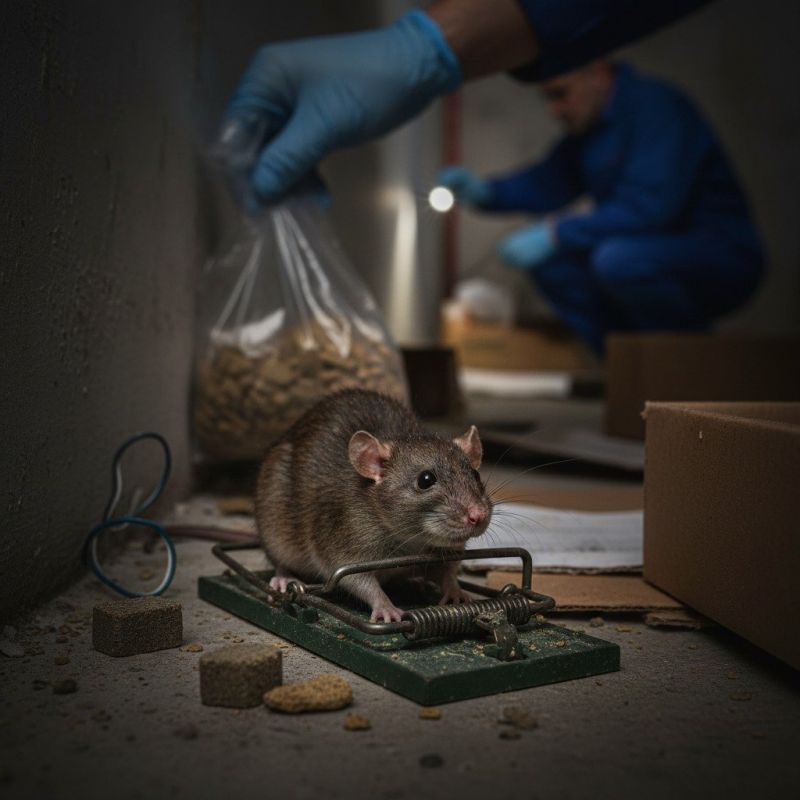
When homeowners search for information about how rodents compromise insulation and indoor air quality, they are typically concerned about the health and safety of their living spaces. This topic often comes up when people notice signs of rodent activity, such as droppings, gnaw marks, or strange odors, and want to understand the potential damage to their home’s insulation and air systems. Many are also interested in the broader implications for indoor air quality, recognizing that rodent infestations can introduce allergens, bacteria, and other contaminants into the environment. The goal is to identify whether rodents are affecting comfort and health, and to find solutions to eliminate the problem effectively.
This issue is commonly connected to property maintenance, home improvement projects, or pest control plans. Homeowners may discover that rodents have nested within attic insulation or wall cavities, causing damage that reduces the insulation’s effectiveness. This can lead to higher energy bills and uneven indoor temperatures. Additionally, the presence of rodents can introduce airborne particles and pathogens that degrade indoor air quality, potentially aggravating allergies or respiratory issues. Addressing these problems often involves not only removing the rodents but also cleaning or replacing damaged insulation and improving ventilation systems to restore a healthy indoor environment.
Properties most frequently affected by how rodents compromise insulation and indoor air quality include attics, wall cavities, basements, and crawl spaces. These areas provide rodents with easy access and shelter, especially in older or poorly sealed homes. Commercial buildings and multi-unit residences can also be vulnerable, as infestations in shared spaces can impact multiple tenants or occupants. Regardless of property type, the common factor is the presence of accessible spaces that rodents can infiltrate, making it essential to identify and address these entry points to prevent ongoing damage and health risks.
Local service providers specializing in rodent removal and property restoration play a key role in resolving these issues. They can assess the extent of rodent activity, identify entry points, and perform targeted removal to eliminate the infestation. Beyond pest removal, these professionals often assist with cleaning and restoring insulation, ensuring that contaminated or damaged materials are replaced or treated. They can also advise on sealing entry points and improving home ventilation to enhance indoor air quality. Connecting with experienced local contractors ensures that property owners receive comprehensive solutions to restore both the integrity of insulation and the healthfulness of indoor air environments.
Attic Insulation Replacement - professionals who specialize in removing and replacing attic insulation often handle rodent damage repairs to restore proper insulation function and indoor air quality.
Pest Damage Repair - contractors experienced in repairing structural damage caused by pests can address rodent entry points and compromised insulation to prevent further air quality issues.
Wildlife Exclusion Services - experts in sealing entry points and preventing rodent access contribute to reducing contamination of insulation and maintaining healthier indoor environments.
Air Duct Cleaning - service providers who clean and maintain air duct systems help remove rodent droppings and debris that can negatively impact indoor air quality.
Insulation Inspection & Assessment - specialists who evaluate insulation integrity can identify areas contaminated by rodents, guiding effective removal and replacement strategies.
Structural Repair & Reinforcement - contractors skilled in repairing damaged building components can help restore insulation barriers and prevent rodent re-entry, supporting indoor air quality efforts.
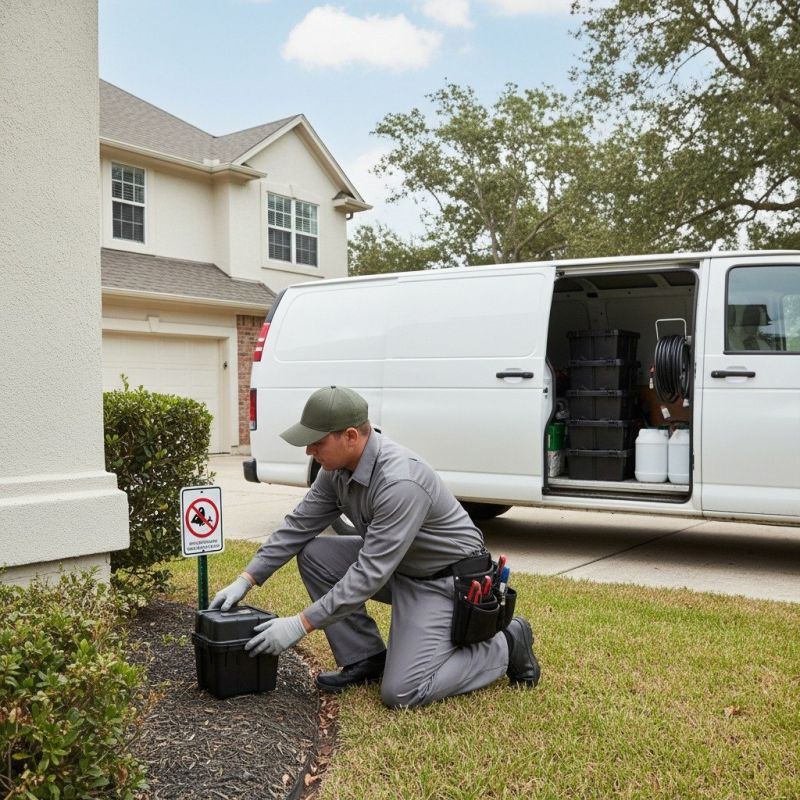
When comparing service providers for rodent removal and insulation safety, it’s important to consider their experience with similar projects. Homeowners should look for local contractors who have a proven track record of addressing rodent infestations and the resulting damage to insulation and indoor air quality. An experienced professional will understand the common challenges associated with rodent activity, such as contamination and structural damage, and will be better equipped to recommend effective solutions. Asking about past projects or seeking references can provide insight into a contractor’s familiarity with issues related to rodents and their impact on home environments.
Clear, written expectations are essential when selecting a service provider for rodent-related concerns. Homeowners should ensure that the scope of work, including inspection, removal, and any necessary insulation replacement or treatment, is detailed in a written proposal. This helps prevent misunderstandings and ensures that both parties are aligned on what will be done to address how rodents compromise insulation and indoor air quality. A reputable contractor will be transparent about the process, what to expect during and after the job, and any follow-up steps that might be necessary to maintain a healthy indoor environment.
Good communication is a key factor in choosing the right local contractor for rodent removal services. Homeowners should prioritize providers who are responsive, willing to answer questions, and able to explain their approach clearly. Effective communication ensures that concerns about contamination, structural integrity, or indoor air quality are addressed thoroughly. Reputable service providers often have references or reviews that can confirm their ability to communicate effectively and deliver results that meet expectations. Making sure the contractor is accessible and transparent throughout the project can help ensure the work is completed satisfactorily and that the home remains safe from ongoing rodent-related issues.
Property owners often search for how rodents compromise insulation and indoor air quality when they are planning practical projects around their homes and businesses. Local pros provide Rodent Removal services for everyday jobs and straightforward project options.
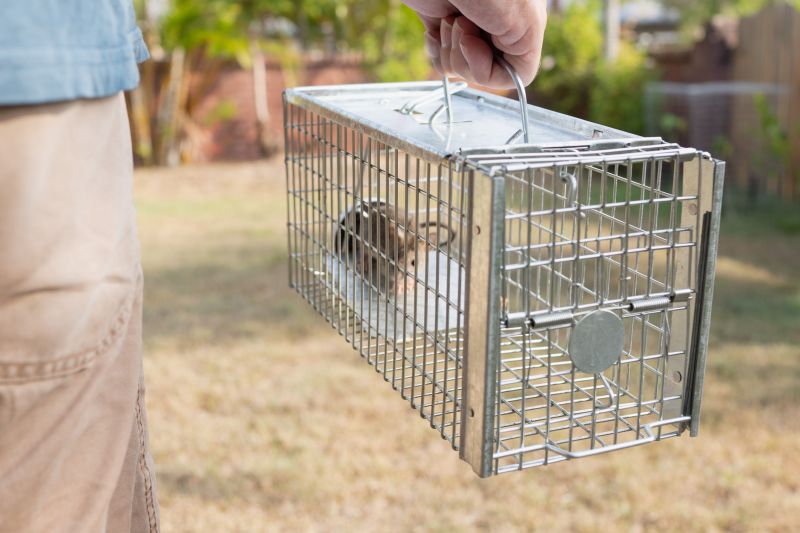
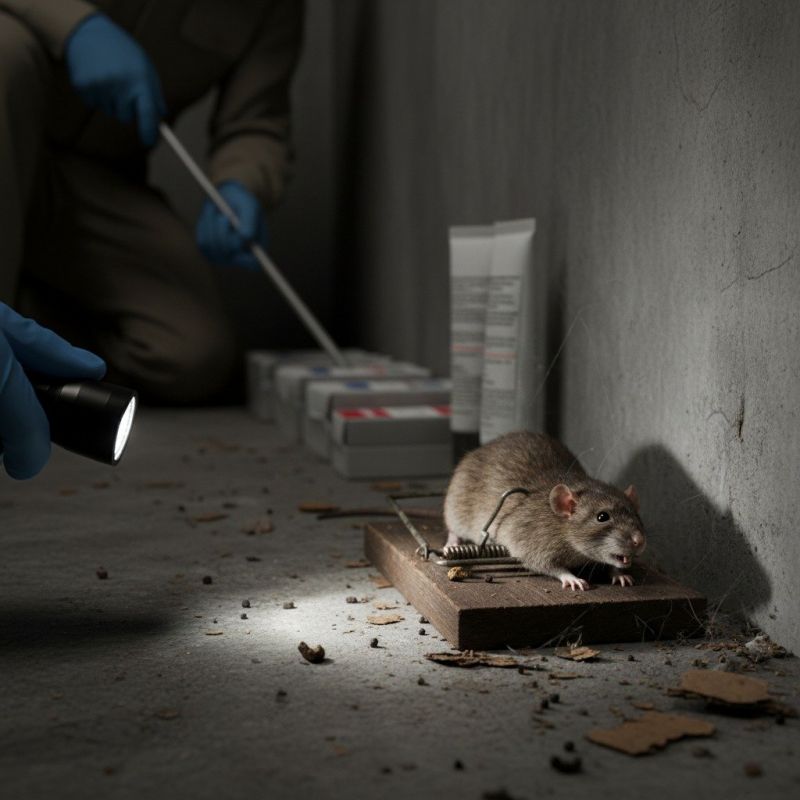
Rodents can cause significant issues inside homes by damaging insulation materials, which can lead to decreased energy efficiency and increased utility costs. When rodents nest in attics or wall cavities, they often chew through insulation to create a comfortable nesting environment. This damage not only reduces the insulation’s ability to regulate indoor temperatures but also creates gaps that allow drafts and moisture to enter. Property owners noticing unexplained spikes in energy bills or signs of rodent activity may want to explore insulation repair or replacement services offered by local contractors who specialize in rodent removal and property restoration.
In addition to insulation damage, rodents contribute to poor indoor air quality by spreading droppings, urine, and shed fur throughout the home. These contaminants can become embedded in insulation, releasing allergens and odors that affect residents’ health and comfort. When insulation becomes contaminated, it may need to be removed and replaced to restore a clean indoor environment. Property owners concerned about rodent-related air quality issues might consider reaching out to local service providers experienced in rodent exclusion and insulation remediation, ensuring that the home remains a safe and comfortable space.
How do rodents affect insulation in a home? Rodents often nest in insulation, causing it to become compressed, damaged, or contaminated, which reduces its effectiveness at insulating and can lead to increased energy costs.
In what ways do rodents impact indoor air quality? Rodents can introduce droppings, urine, and nesting materials into the home, which may release allergens and airborne pathogens, degrading indoor air quality and potentially causing health issues.
Why is it important to remove rodents before replacing insulation? Removing rodents prior to insulation replacement helps prevent future infestations, ensures the removal of contaminated materials, and maintains a healthier indoor environment.
How can local service providers help improve indoor air quality related to rodent issues? Local contractors can perform thorough inspections, rodent-proofing, and removal services to eliminate pests and restore insulation, thereby improving indoor air quality.
What signs indicate that rodents have compromised insulation and indoor air quality? Signs include persistent odors, droppings, sightings of rodents, or unexplained allergy symptoms, prompting the need for professional inspection and removal services.
Identify areas of insulation damage - inspecting for signs of rodent activity can help property owners determine where insulation has been compromised, allowing local contractors to target repairs effectively.
Improve ventilation and air filtration - upgrading indoor air systems with professional guidance can reduce airborne contaminants caused by rodents and their droppings.
Seal entry points to prevent infestations - blocking gaps and holes in walls, foundations, and attics helps keep rodents out, protecting insulation and indoor air quality.
Remove contaminated insulation safely - professional rodent removal services can handle the removal and replacement of damaged insulation to restore a healthy indoor environment.
If you are thinking about how rodents compromise insulation and indoor air quality for a property, this guide is meant to help you understand this topic, the typical project types, and how different options might fit your plans.
When you are ready, you can use the quote form on this page to share a few details about your project. From there, local pros can review the basics and follow up with options that match what you have in mind.